

- (410) 776-4849
- info@qgsmd.com
- Abeerden, MD
How Weather Affects Concrete Projects in Maryland
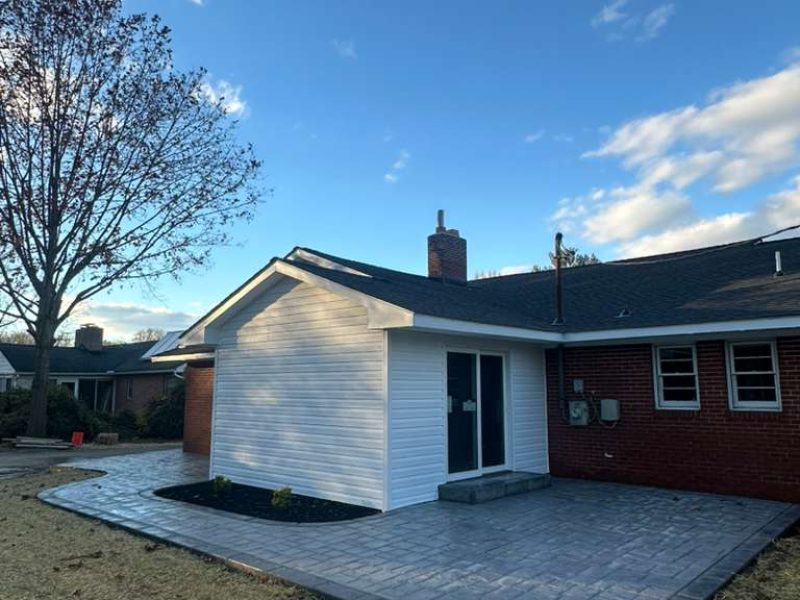
Concrete is one of the most durable and versatile construction materials used for driveways, patios, sidewalks, foundations, and outdoor living spaces. However, weather conditions play a major role in the success and longevity of concrete projects. In areas like Maryland, where temperatures and weather patterns can vary significantly throughout the year, understanding how climate affects concrete is essential for homeowners planning outdoor construction.
In this article, we’ll explore how temperature, moisture, and seasonal changes in Maryland can impact concrete installation and what homeowners should know before starting a project.
Why Weather Matters in Concrete Projects
Concrete may appear solid and simple, but it is actually the result of a chemical reaction between cement, water, and aggregates. This reaction, known as hydration, allows concrete to harden and gain strength over time.
Weather conditions influence:
- How quickly concrete cures
- The final strength of the material
- Surface quality and durability
- The risk of cracks or structural issues
Because of these factors, professional contractors carefully consider weather conditions when planning and pouring concrete.
How Cold Weather Affects Concrete
Maryland winters can bring freezing temperatures that make concrete installation more challenging.
1. Slower Curing Time
Cold temperatures slow down the chemical reaction that allows concrete to harden. When curing takes longer, projects may require additional time before the surface can support weight.
2. Risk of Freezing
If freshly poured concrete freezes before it gains enough strength, the internal structure can weaken. This may lead to:
- Surface scaling
- Cracking
- Reduced durability
3. Special Cold-Weather Techniques
Professional contractors often use methods such as:
- Insulated blankets
- Heated enclosures
- Specialized concrete mixes
These techniques help maintain proper curing temperatures and ensure a strong finished product.
The Impact of Hot and Humid Summers
Summers in Maryland often bring high temperatures and humidity, which can also affect concrete performance.
1. Rapid Moisture Loss
Hot weather can cause water in the concrete mix to evaporate too quickly. This may lead to:
- Surface cracking
- Weak concrete strength
- Uneven curing
2. Reduced Workability
Concrete can begin to set faster in hot conditions, giving contractors less time to properly level and finish the surface.
3. Preventive Measures
Experienced contractors typically work early in the morning or later in the evening and use curing compounds or water sprays to control evaporation.
Rain and Moisture Challenges
Rain is another common weather factor that can affect concrete projects in Maryland.
Before Pouring
Wet ground can cause soil instability, which may affect the foundation beneath the concrete slab.
During Installation
If heavy rain falls shortly after pouring concrete, it can damage the surface finish and weaken the mix.
After Pouring
Too much moisture during curing can sometimes interfere with the finishing process or lead to surface imperfections.
Professional contractors closely monitor weather forecasts before scheduling any concrete installation.
Seasonal Considerations for Concrete Work
Each season in Maryland offers advantages and challenges for concrete construction.
Spring
- Moderate temperatures
- Possible rain delays
Summer
- Faster curing
- Risk of rapid drying
Fall
- Often considered the ideal season
- Balanced temperatures and lower humidity
Winter
- Requires specialized techniques
- Slower curing times
Planning your project during favorable weather conditions can significantly improve the results.
Tips for Homeowners Planning a Concrete Project
If you’re planning to install a driveway, patio, walkway, or concrete foundation, keep these tips in mind:
- Schedule projects during mild weather when possible
- Work with experienced contractors who understand local climate conditions
- Allow adequate curing time before using the surface
- Protect new concrete from extreme temperatures and heavy rain
These steps help ensure your concrete installation remains strong and long-lasting.
Work with Professionals Who Understand Local Conditions
Because weather plays such a critical role in concrete performance, working with a contractor familiar with Maryland’s climate is essential. Professionals understand how to adjust materials, curing methods, and scheduling to achieve the best results.
Whether you’re installing a concrete patio, driveway, or decorative hardscape feature, proper planning and weather awareness can make all the difference in the durability and appearance of your project.
Share this :
Our Services
Latest Post

September 24, 2026
September 17, 2026
September 10, 2026

At Quality Ground Services LLC Outdoor Manteinance, we are experts in outdoor grounds maintenance, offering high quality solutions for both residential and commercial. With over 12 years of experience, we have a highly qualified team to help you with everything from deck construction, to landscape maintenance, hardscaping, and more.
Contact Info
- Abeerden, MD
- 60 Miles Of Coverage
- Monday to Friday 7:00 am - 5:00 pm
- Saturday 8:00 am - 4:00 pm
- Sunday by appointment only
- 12 Years Of Experience
- Residential And Commercial
- Licensing and Insurance
- Cash, Check, Zelle, Apple Pay and Bank Transfer
- English and Spanish spoken
- Free Estimate
We are an outdoor maintenance and beautification company with over 12 years of experience in the industry.